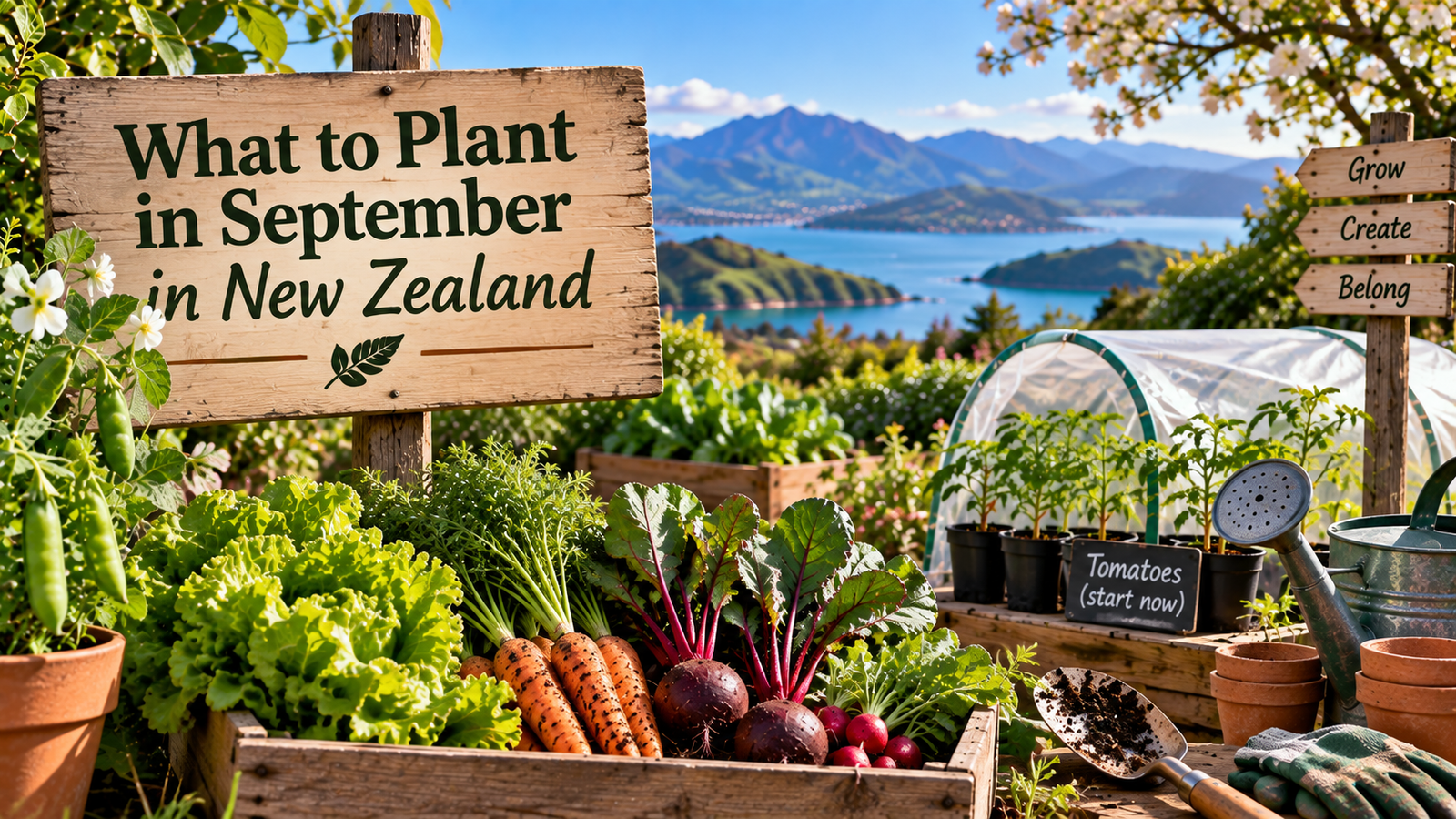
September is one of the most exciting months in the New Zealand vegetable garden. Spring has arrived, daylight is increasing and the soil is beginning to warm — but that does not mean every summer crop should go straight into the garden.
The best September planting strategy is to combine cool-tolerant vegetables that can already be sown outdoors with warm-season crops that are started under shelter and planted out once conditions become reliably warmer.
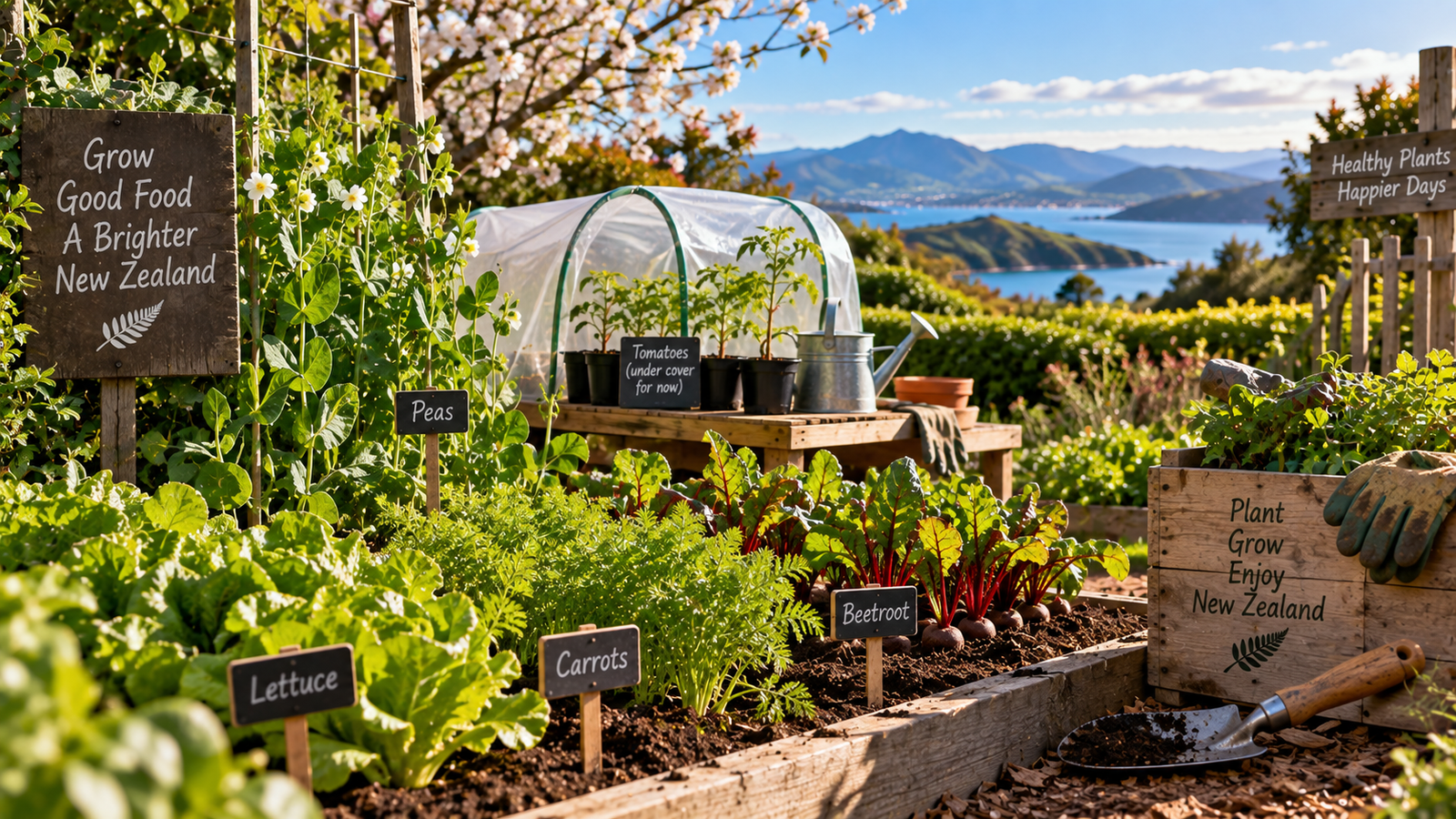
What to plant in September in New Zealand
September sits in a useful transition period between cool-season gardening and the beginning of summer crop preparation.
New Zealand planting calendars commonly include peas, carrots, beetroot, lettuce, spring onions, potatoes and other cool-season vegetables at this time, while warmer parts of the country can begin moving more quickly into crops such as tomatoes, courgettes, cucumbers and capsicums.
| Crop | September action | Best approach |
|---|---|---|
| Carrots | Sow | Direct into the garden |
| Beetroot | Sow or plant | Direct sow or seedlings |
| Peas | Sow | Direct into the garden |
| Lettuce | Sow or plant | Seeds or seedlings |
| Radish | Sow | Direct into the garden |
| Silverbeet | Sow or plant | Seeds or seedlings |
| Spinach | Sow | Direct sow |
| Spring onions | Sow or plant | Seeds or seedlings |
| Potatoes | Plant | Garden beds or containers |
| Tomatoes | Start | Protected seed raising in cooler areas |
| Capsicums | Start | Warm, sheltered conditions |
| Courgettes | Start | Protected in colder areas |
| Cucumbers | Start | Protected in colder areas |
| Pumpkins | Start | Protected until warmer |
| Sweetcorn | Sow or start | Warmer areas first |
Vegetables to sow directly in September
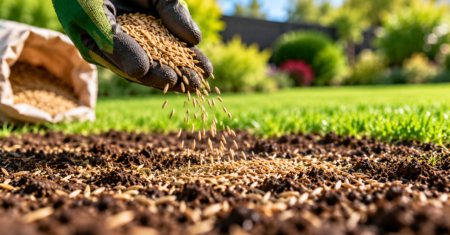
Some vegetables dislike being transplanted or simply perform very well when sown straight into prepared garden soil.
Carrots
Carrots are best sown directly where they will grow because disturbing their roots during transplanting can produce distorted roots.
Prepare a fine, loose seedbed and remove large stones or clumps before sowing.
Peas
Peas enjoy cooler spring conditions and are an excellent choice for September planting.
Provide a support structure early rather than trying to add one after the vines have begun sprawling.
Radish
Radishes are fast-growing and useful for filling temporary gaps in vegetable beds.
Instead of planting an entire packet at once, sow small amounts regularly for a steadier harvest.
Beetroot
Beetroot can be direct-sown into well-prepared soil and is a useful spring crop for both roots and young leaves.
Spinach and leafy greens
Spinach, rocket and other leafy crops can benefit from the cooler part of spring before increasingly warm weather encourages some plants to bolt.
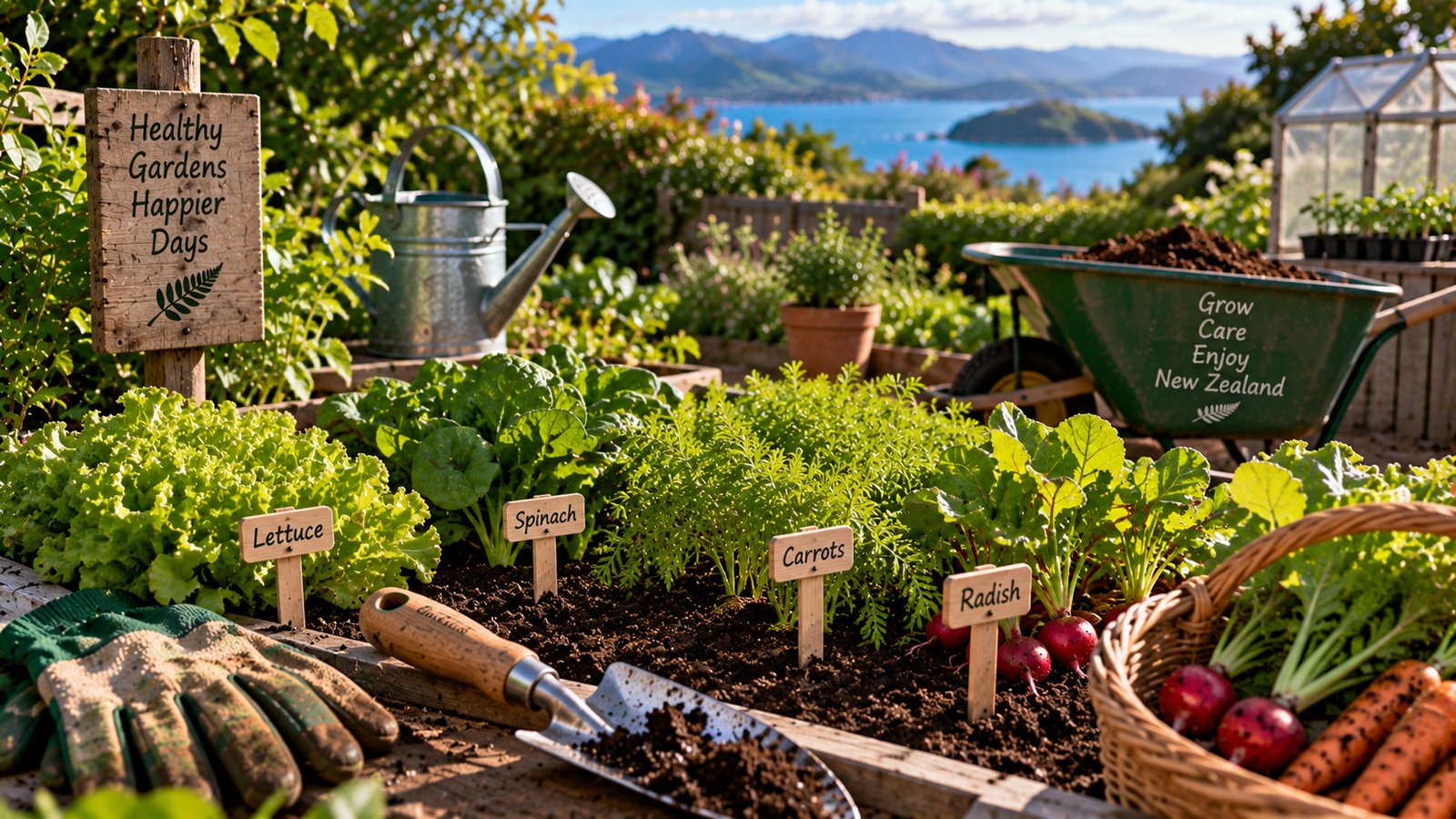
Warm-season vegetables to start under protection
September can be an excellent time to start summer vegetables, but there is an important difference between starting seeds and planting young plants outside permanently.
Tender crops such as tomatoes, capsicums, cucumbers, courgettes and pumpkins benefit from warmth, especially while overnight temperatures remain low.
Tomatoes
Tomatoes need warmth to grow strongly. In mild northern areas, planting may begin earlier, while gardeners in cooler regions can raise seedlings in a greenhouse, sheltered porch or bright protected location.
Capsicums and chillies
Capsicums and chillies appreciate a long growing season but dislike cold conditions. Starting them early under protection gives them time to develop before outdoor temperatures become more reliable.
Courgettes and cucumbers
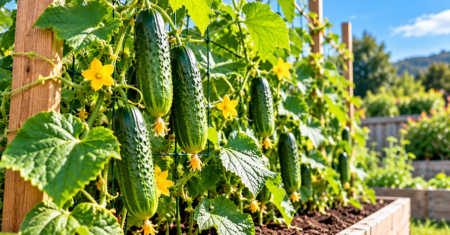
These fast-growing crops can be started in individual pots and planted outside later, reducing the risk of exposing tender seedlings to cold nights.
Pumpkins and squash
Pumpkins need space as well as warmth. September is a good time to plan their final location before vigorous vines begin occupying the garden.
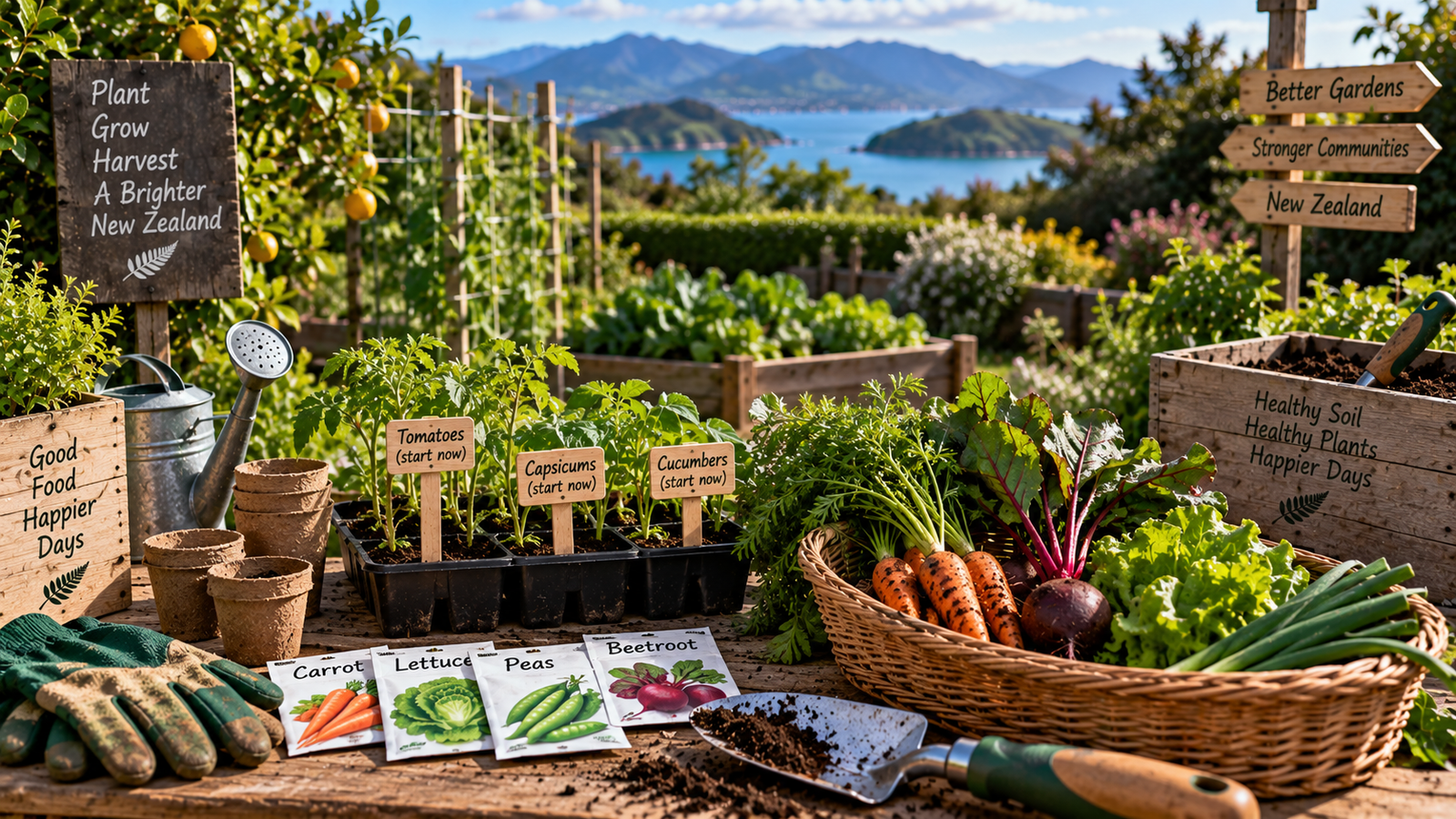
Vegetable seedlings you can plant in September
Buying seedlings rather than raising everything from seed is completely reasonable, particularly for beginner gardeners.
September planting options can include:
- Lettuce
- Silverbeet
- Cabbage
- Leeks
- Celery
- Spring onions
- Beetroot
- Broccoli in suitable areas
- Parsley and other hardy herbs
In warmer regions, nurseries may also sell tomatoes, cucumbers, capsicums and courgettes during September. Do not assume that seeing them for sale automatically means it is safe to plant them outside in every part of New Zealand.
September planting: North Island vs South Island
Regional differences matter more than a calendar date.
Warmer northern and coastal areas
Gardeners in warm, sheltered areas can generally move into spring planting faster. Soil temperatures increase earlier and serious frost risk may be lower.
This can make September a reasonable time to begin transitioning toward beans, tomatoes, courgettes, cucumbers and other summer crops, depending on local conditions.
Central and cooler North Island areas
Local altitude and frost pockets matter. A garden only a short distance away may behave very differently if it sits lower in a valley or in a more exposed position.
South Island and frost-prone areas
Cooler regions often benefit from a more conservative approach.
Continue planting hardy vegetables outdoors while raising frost-tender summer crops under cover until night temperatures become more reliable.
Can you plant tomatoes outside in September?
Sometimes — but not everywhere.
In warm, sheltered parts of New Zealand, gardeners may successfully plant tomatoes outside during September. In colder regions, an unexpected frost or prolonged cold period can stall or damage young plants.
For many gardeners, September is better treated as a tomato preparation month: raise seedlings, prepare beds and supports, then move plants outside once the local frost risk has passed.
Prepare your vegetable garden before planting
Spring growth places increasing demands on the soil. Before filling every available space with seedlings, spend some time preparing the beds.
- Remove weeds before they begin rapid spring growth.
- Add mature compost or suitable organic matter.
- Break up large compacted clumps where necessary.
- Check that beds drain freely.
- Water dry soil before planting rather than planting into dust.
- Mulch after planting where appropriate.
You do not need dozens of pieces of equipment for this work. Our guide to essential garden tools for New Zealand home gardeners covers the small core kit that handles most planting and soil preparation jobs.
Do not plant all your lettuce and radish at once
One of the easiest spring gardening mistakes is sowing an entire crop on one weekend.
That may produce a large harvest all at once, followed by nothing.
For quick-growing vegetables such as lettuce, radish, rocket and some leafy greens, succession sowing can provide a steadier supply.
Can you plant potatoes in September in New Zealand?
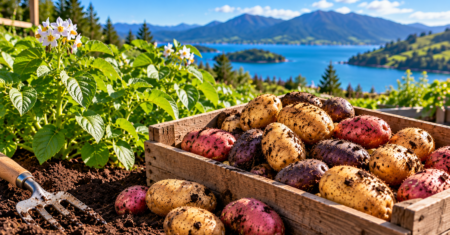
Yes. September is an important potato-planting period in many New Zealand regions.
Early crops planted around this time may be grown with the goal of harvesting around the Christmas period, although timing varies with variety, weather and region.
Chitting seed potatoes
Before planting, seed potatoes can be allowed to develop short shoots in a bright location.
Choose the right position
Potatoes prefer a sunny position and soil that drains well. Avoid areas that remain persistently waterlogged.
What can you grow in pots in September?
You do not need a large backyard to grow spring vegetables.
- Lettuce
- Rocket
- Radishes
- Spring onions
- Parsley
- Spinach
- Strawberries
- Compact tomatoes later in spring
Containers dry out faster than garden beds, so check moisture regularly as spring becomes warmer and windier.
What about herbs in September?
Hardier herbs such as parsley, coriander and chives can be grown during September in many areas.
Basil requires more warmth, so gardeners in cooler regions may prefer to keep it protected until conditions become reliably warmer.
Should you plant strawberries in September?
September is also a useful time for establishing strawberry plants.
Give them a sunny position and good drainage, and avoid burying the crown too deeply when planting.
What flowers can you plant alongside vegetables?
Vegetable gardens do not need to contain only edible crops.
Spring flowers can add colour and provide resources for beneficial insects and pollinators.
For more permanent planting around vegetable areas or elsewhere in the garden, see our guide to the best native plants for New Zealand gardens .
7 common September vegetable gardening mistakes
1. Treating all of New Zealand as one climate
Planting advice from Auckland cannot always be copied directly in Otago, Canterbury or elevated inland locations.
2. Planting tender summer crops too early
One unusually warm week does not necessarily mean the risk of cold nights has disappeared.
3. Forgetting to harden seedlings off
Seedlings raised under protection should be gradually exposed to outdoor conditions rather than moved abruptly from a warm sheltered environment.
4. Ignoring soil preparation
Spring growth is much easier when plants begin in healthy, workable soil.
5. Planting too much at once
Succession planting often makes better use of fast-growing salad crops.
6. Forgetting about slugs and snails
Tender spring seedlings are particularly vulnerable to overnight damage.
7. Following packet dates without observing your garden
Sun exposure, wind, altitude, drainage and frost pockets all influence when your garden is truly ready.
A simple September planting plan
Week 1
- Clear finished winter crops and weeds.
- Add compost to vegetable beds.
- Check garden supports and watering equipment.
- Sow carrots, peas, radish and beetroot.
Week 2
- Plant lettuce, silverbeet and spring onion seedlings.
- Plant seed potatoes.
- Start tomatoes and capsicums under protection if needed.
Week 3
- Sow another small batch of salad crops.
- Start courgette, cucumber or pumpkin seeds in protected conditions.
- Watch overnight temperatures closely.
Week 4
- Evaluate which protected seedlings are ready to begin hardening off.
- Continue succession sowing.
- Prepare spaces and supports for October and November summer crops.
Verdict: September is for planting — and preparing
September is a major turning point in the New Zealand vegetable garden, but the smartest approach is not to rush every summer crop outdoors.
Plant hardy spring vegetables now, make regular sowings of fast crops and use protected spaces to get tomatoes, capsicums, cucumbers, courgettes and pumpkins moving.
Most importantly, let your local weather decide when frost-sensitive crops are ready for the garden. A few extra weeks of patience can be far more valuable than planting early simply because the calendar says spring has arrived.
Frequently asked questions
What vegetables can I plant in September in New Zealand?
Common September choices include carrots, peas, beetroot, lettuce, radish, silverbeet, spinach, spring onions and potatoes. Summer crops can also be started, particularly under protection in cooler areas.
Can I plant tomatoes in September in NZ?
Yes in some warm, sheltered areas, but gardeners in frost-prone regions are usually better to raise tomatoes under protection until cold-night and frost risk has reduced.
Can I plant potatoes in September?
Yes. September is a common potato-planting period in New Zealand, with early plantings sometimes timed toward a Christmas harvest.
What seeds can be sown directly in September?
Carrots, peas, radish, beetroot, lettuce, spinach, silverbeet and spring onions are among the crops commonly direct-sown during spring, depending on regional conditions.
Is September too early for cucumbers and courgettes?
Not necessarily for starting seeds, but planting outside can still be too early in colder regions. Raise them in a warm protected location until outdoor conditions improve.
Root & Yard publishes practical New Zealand gardening guides covering growing, plants, garden design, DIY projects and useful outdoor equipment.
Related Articles
2 Comments
[…] What to Plant in September in New Zealand […]
[…] planning your spring garden: Read our guide to what to plant in September in New Zealand for a broader seasonal […]